

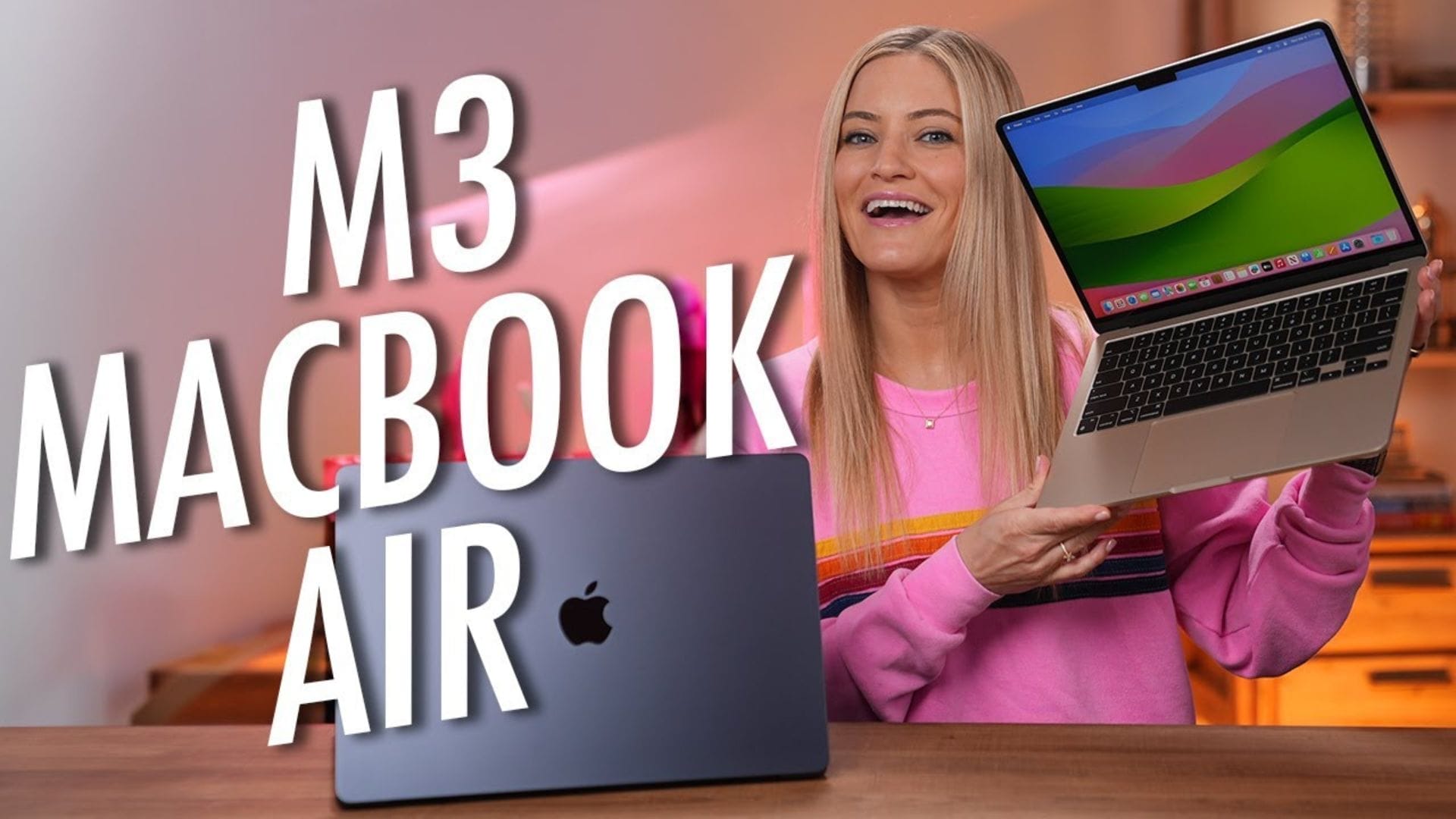
In a move likely to please Apple enthusiasts, the MacBook Air has joined the ranks of other Apple models, now offering 16GB of memory as standard in its M2 and M3 versions. This upgrade follows Apple’s recent push to enhance its memory capacity across all new models, including the latest iMac, Mac mini, and MacBook Pros. Previously, customers faced a significant added cost to upgrade the memory on their MacBook Airs, which often led to buyer frustration. But now, Apple is setting a new standard by offering a minimum of 16GB of memory at no additional cost.
Let’s break down what this means for potential buyers and current users.
16GB memory now standard for all new MacBook Air models
For those who keep up with Apple product announcements, you might have noticed the trend of increased memory in recent models. Previously, the standard MacBook Air only came with 8GB of memory, and to upgrade to 16GB, customers had to pay an extra fee of about S$300. However, Apple has eliminated this cost, making 16GB the default option for all new MacBook Airs with M2 and M3 chips.
This upgrade offers significant value, particularly for users needing extra memory for multitasking, running heavier software, or simply enjoying smoother overall performance. Before, the 8GB base memory was adequate for basic tasks, but today’s software demands are putting more strain on machines. Apple’s decision to include 16GB as the standard will make a noticeable difference in performance, especially with the advent of Apple’s AI technologies.
Why Apple made the memory increase
While Apple hasn’t directly addressed the motivation behind this upgrade, many tech insiders believe it’s due to the growing memory needs driven by Apple’s artificial intelligence integrations. The shift to a 16GB base level will likely enhance users’ experience with Apple Intelligence, which uses AI models known for consuming significant amounts of memory. As such, 8GB would no longer be ideal for an optimised user experience on macOS, particularly as Apple continues to develop software that leverages AI.
Whether Apple intends to keep this trend going for future models remains to be seen, but those looking to buy a MacBook Air can benefit from the added memory at no extra cost. Apple may not be going “charitable,” but it’s certainly making strides in meeting user needs and expectations for power and performance.
Where to buy the new MacBook Air with 16GB memory
Customers ready to purchase the MacBook Air with this new memory capacity can do so through various retailers and Apple’s own stores. Major online retailers like Lazada, Shopee, and the Apple Online Store carry the latest models, making accessing this newly upgraded version easy.
If you’ve recently bought a MacBook Air with only 8GB of memory, this news may come as a bit of a letdown, especially with the added cost of upgrading so close to this announcement. However, Apple’s move signifies a positive change, likely to become the new standard in their lineup as memory demands continue to increase.
For Apple users, it’s clear that the company is preparing for a future where higher memory capacity will become essential as AI technologies become more integrated into our daily tech use. For now, though, those ready to purchase a new MacBook Air can enjoy the benefits of a 16GB memory upgrade, providing a smoother and more robust experience without any added cost.